Antigen-Specific T Cell Response By ELISpot
- Overlapping peptide pools or whole protein antigen, plated against your donor or study PBMC.
- Spot forming units per million cells, which is the readout your reviewers expect to see.
Regulated And Inspected By:




IFN-gamma, granzyme B and multi-analyte FluoroSpot, with acceptance criteria set at your expected spot frequencies, on PBMC processed to fixed time windows.
The tiles cover vaccine trials, cell therapy potency and antigen-specific monitoring, each tied to the service that runs the program.
Antigen-specific T cell frequency, preclinical immunization through clinical trials
Read moreAntigen-specific response tracking read beside PD panels for IO programs
Read moreGranzyme B killing and functional readouts for characterization and release
Read moreT cell response to your biologic, read alongside and ahead of ADA testing
Read moreIgG and IgA secreting cell frequency read beside serology in vaccine programs
Splenocyte and PBMC ELISpot from your rodent and non-rodent studies
Read moreAntigen-specific T cell response read beside seroconversion
Response magnitude compared across candidate adjuvants and formulations
Read moreResults are decided before the plate by PBMC viability, counting and rest conditions. We control those pre-analytical steps from the draw onward.
20+Years Of Immunoassay And Cell-Based Work, Since 2003
500+Custom Methods, Including Cell-Based Cytokine Readouts
Any scope change goes through a pre-approved SOW addendum, so your cost cannot move without an SOW addendum you have already approved. You get a transparent, itemized quote up front, scoped to your stimulation conditions, plate count and readouts rather than priced off a flat rate. Development and fit-for-purpose qualification of an ELISpot or FluoroSpot method runs four to six weeks, and applying an established method to your samples is faster. Your report follows about two weeks after analysis closes, and you can opt for rolling data before it lands. Cells stay under documented chain of custody and controlled storage from the hour they arrive.
Four things get you a quote: your antigen or peptide pool, your cell source and whether it arrives fresh or cryopreserved, the readouts you want, and how many study groups and timepoints you are running. Tell us whether this is exploratory or heading into a filing, because that sets the qualification rigor and the documentation. If a soluble cytokine measurement would answer your question more cheaply than a cell-based readout, we will tell you so. Send the protocol and the group design and you get back an itemized quote, a draft plate map and a full timeline, scoped against exactly what you sent us.
Quoted with permission, names withheld. Yours would be too.
We trust NorthEast BioLab to design and execute streamlined, impactful bioanalytical projects
NorthEast BioLab offers a science-based, hands-on approach to the latest bioanalytical platforms
We worked closely to implement the most efficient and cost-effective bioanalytical assay for our PK Studies.
NorthEast BioLab always exceeds expectations on bioanalytical assay development, validation, and sample analysis.
We have worked with NorthEast BioLab for over ten years given their commitment to highest quality bioanalytical data.
This study, same as all other bioanalytical studies, was completed with top quality and reporting standard with incredible responsiveness.
A CTL ImmunoSpot S6 Ultra reader runs on site, and we qualify peptide pools in our lab so stimulation is never the variable.
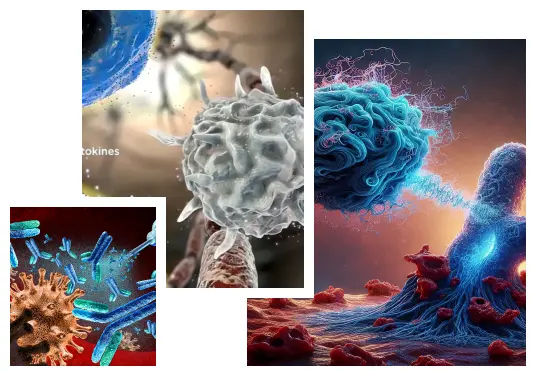
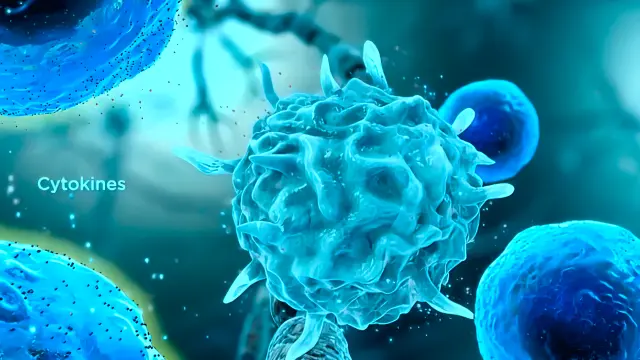
Cytokines are an integral part of our immune system that helps us respond to diseases. So, what are cytokines? Let us first define cytokines…
A live-dead count on every vial at thaw sits at the midpoint, scored against a threshold we agreed in writing.
We check your antigen, cell source and target frequency against a donor screen first.
Itemized scope, plate map, reagent sourcing and timeline agreed before work starts.
Plating density, stimulation, incubation and controls optimized on screening donors.
Precision, linearity and analyst agreement, plus the positive response criteria fixed.
Live-dead count taken on the reader at thaw for every vial before it is plated.
Spot counts, images and QC record, about two weeks after sample analysis closes.
Because the PBMC never change hands, and the readout is validated at the frequency your program expects, not a convenient one.
Regulated And Inspected By:






The secreted signal and its source stay together, measured by one team. The services counting on both are linked below.
What immunologists ask before trusting rare-event counts, answered.
Cellular immunogenicity usually needs humoral and molecular arms beside it, and we run ADA, NAb and ddPCR as well.