The First Door: A Molecule With No Method Yet
- Method development builds it: chemistry chosen deliberately and documented to be graded
- Feasibility read in days, typical small molecule builds complete in two to four weeks
Regulated And Inspected By:


Every method engagement starts as a build, a proof or a move. Your starting point gets named quickly, because the lifecycle costs less when one group carries it.
An assay that does not exist yet, a method that needs proving and one living elsewhere each start differently. The wrong first step costs a fiscal quarter.
Development builds it around your molecule and matrix from first principles
Method DevelopmentValidation grades it to the tier your data faces, fit-for-purpose through GLP
Method ValidationTransfer moves it here with replication and bridging, history intact
Method TransferMatrix, species or range moved; partial validation covers only what moved
Method ValidationRegulated sample analysis picks up the proven method and runs batches to your calendar
Bioanalytical CROThe research tier runs lean and fit-for-purpose until your program earns an IND
Non-GLP TestingThe wrong lane costs a re-validation. We assess the method, data and reagents you have before recommending where to begin.
500+Custom Methods Carried Through This Lifecycle In House
90%+Of Methods Developed Here Stay For Study Sample Analysis
Nothing is sold as a bundle: each stage is quoted alone with its tier named, and the first call establishes which stage you are in before any money moves. Development, validation and transfer each carry their own clocks, stated on their own pages, and a senior scientist replies within two business days.
The quote you approve is the price you pay, at every stage. Cost cannot move without an SOW addendum you have already approved, which is what makes a multi-year method lifecycle a thing a small biotech can actually budget.
Two thirds of the 100+ sponsors we work with each year return, and one in three is past a third year with us.
Our projects with NorthEast BioLab include successful method development, validation, stability studies during Clinical Phase I – IV studies.
NorthEast BioLab always exceeds expectations on bioanalytical assay development, validation, and sample analysis.
We have worked with NorthEast BioLab for over ten years given their commitment to highest quality bioanalytical data.
NorthEast BioLab provides critical insight, and are compliant with regulatory standards and industry best practices. We highly recommend them and look forward to working together again.
NorthEast BioLab is the most responsive and thorough bioanalysis lab services CRO.
NorthEast BioLab goes the extra mile. We look forward to more meaningful collaborations.
A method bought as an errand dies with its vendor. A method carried through its lifecycle in our building keeps its history, its documentation and its momentum.

Bioanalysis is an essential tool in drug discovery and development for determining the concentration of drugs and their metabolites in biological matrices….
Built, validated, run, revalidated and finally transferred out, the assay stays with one team and every record sits in a single file.
A biotech sends the structure, the matrix and the study behind them
Development locks the chemistry and documents the reasoning
Full validation to FDA guidance under GLP, report audited
Preclinical then clinical batches, cohort by cohort, for years
A matrix change triggers partial validation, history intact
Cross-validation proves both labs read the same truth
Because the recommendation is written against your regulatory context, and the same team runs all three lanes, so nobody oversells one.
Regulated And Inspected By:





No method yet, a draft, a validated method or one on the move: name the state, and a senior scientist writes up the route on the platforms linked below.
What outsourcing leads ask at the develop-validate-transfer fork, answered.
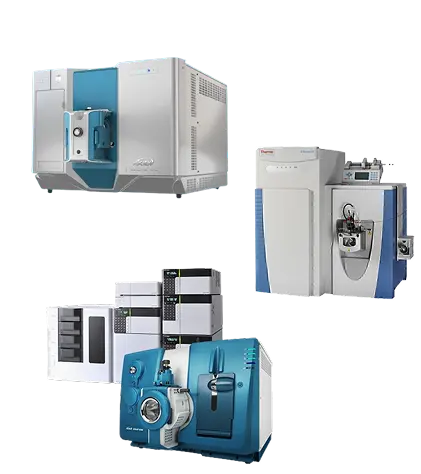
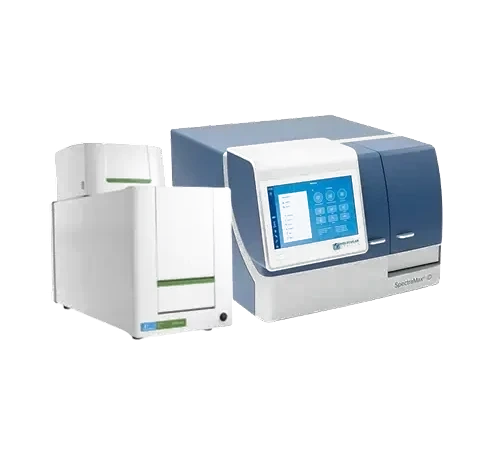
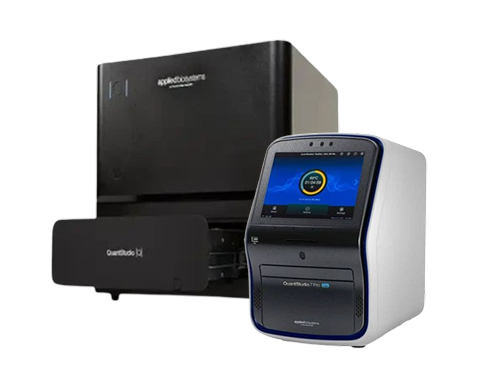
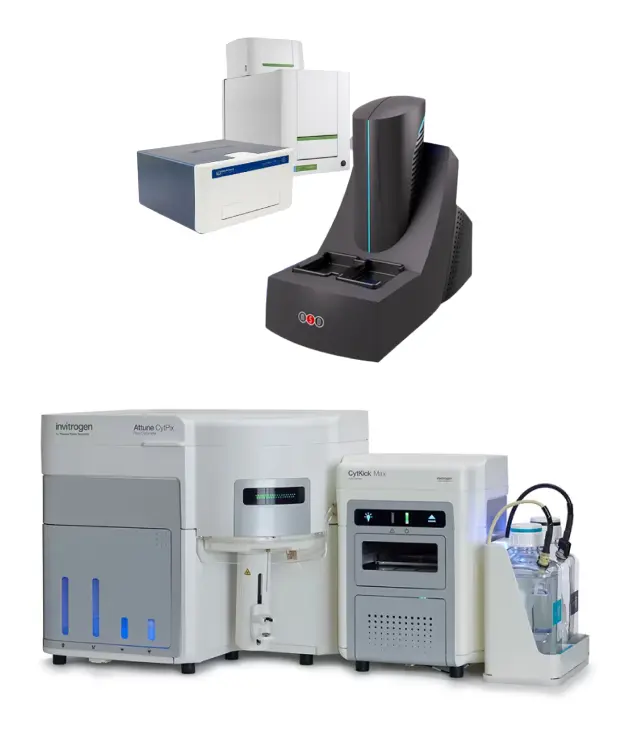
Whichever of the three you choose, the method finishes on the systems that will run your study samples.