- Expertise
- Services
- Solutions
- About Us
- Resources
- Request Quote


Customized Multiplex Cytokine Assays, Cytokine Release Syndrome (CRS) Evaluation, and Quantitative Cytokine Profiling To Assess Inflammatory Responses And Support Therapeutic Development
Development And Validation Of V-PLEX/S-PLEX MSD Assays For High-sensitivity Biomarker Analysis In Plasma, Urine, CSF, And Tissues
Custom U-Plex MSD Multiplex ELISA Assay Development, GLP Validation, And Bioanalysis In Human Serum For CRS Studies
Compound Screening Using MSD, Luminex, AlphaLISA, And ELISA Platforms To Analyze Cytokine Levels In Cell Culture, Plasma, Serum, CSF, And Other Sample Types
CRISPR/Cas9 MSD Biomarker Assay Development And Sample Analysis In Tissue/Cell Lysates
MSD Assay Development And Sample Analysis For Cytokine Expression In Monocytes From Human PBMCs
Customized Copy Number Multiplex Biomarker Assay On Digital dPCR In DNA Isolates From Human Cell Culture
ddPCR/qPCR for expression, copy number, rare-event detection
Cytokine Assay Development, Optimization, And Sample Analysis Of Cytokines In Tissue, Pbmcs, Or Cell Lysates
20+
Years Of Immunoassay Lab Services With Industry-leading Turnaround Times
450+
Cytokine Assays Are Offered Using Commercial Kits Or Custom-designed Assays For Precise Cytokine Analysis
Join NorthEast BioLab for cytokine assays in pharmacodynamic evaluation and drug discovery. Our team excels in immunoassays, PCR, cell-based assays, and chromatography. With expertise in multiplexing, sensitive assays, and matrix interference, we deliver cytokine assays in six to eight weeks. Your audited report, detailing validation and qualification, follows shortly after. We combine scientific expertise, regulatory experience, and operational excellence to optimize resources and reduce costs.
We’re excited to collaborate on your cytokine assay. Our team values transparency and collaboration to ensure we understand your needs and expectations. To prepare a detailed proposal and timeline, please provide information about your assay requirements and study design, including cytokine analytes of interest, preferred reagents, current assay methodology, previous data, and study protocols (such as cohorts and sample sizes).
“NorthEast BioLab goes the extra mile. We look forward to more meaningful collaborations.”
NorthEast BioLab offers a science-based, hands-on approach to the latest bioanalytical platforms
“NorthEast BioLab is the most responsive and thorough bioanalysis lab services CRO.”
NorthEast BioLab’s scientists deliver high-quality data on time and within budget
NorthEast BioLab is a responsive, collaborative, and reliable partner
We found their integrity as refreshing as readiness to provide creative scientific input and high-quality data

Cytokines are an integral part of our immune system that helps us respond to diseases. So, what are cytokines? Let us first define cytokines…
20+ Years of Experience with Swift and High-Value Cytokine Assay and Pharmacodynamic Testing


We Judiciously Invest In Our People, Solutions And Infrastructure, And Regularly Review Our Business Processes And Practices To Exceed Sponsor Expectations
Answers To Additional Cytokine Analysis, Biomarker Assay Questions Popular Among Our Potential Clients.
Cytokines are important proteins that help control immune responses, inflammation, and how cells communicate with each other. They are small signaling molecules made by different types of cells, especially immune cells, and they can affect how cells grow, develop, and survive. Tests for cytokines measure their levels, giving useful information about how the immune system works and how diseases progress.
Cytokines are vital for the immune system as they help cells talk to each other, managing immune responses, inflammation, and healing. They can either boost or reduce the activity of other cells, affect their growth, and guide the actions of cells involved in immune responses. Testing for cytokines is important to track these activities, which can be altered in diseases like autoimmune disorders, infections, and cancer.
A cytokine storm is a severe reaction where too many cytokines are produced, leading to intense inflammation that can harm tissues and cause organ failure. This can happen during serious infections, autoimmune diseases, or as a reaction to certain treatments. Testing for cytokine storms is essential for diagnosis and monitoring, using methods like cytokine panels to check the levels of cytokines linked to inflammation and immune system issues.
Cytokines affect cell reproduction by managing how cells divide and develop. They can encourage or slow down cell growth, aid in tissue repair, and help immune cells multiply during an immune response. Monitoring cytokines that impact cell growth, especially in immune reactions or inflammation, offers insights into how these processes are balanced.
Cytokine release syndrome (CRS) happens when a large amount of cytokines is released into the blood, causing inflammation and possible harm to organs and tissues. It is often linked to certain cancer treatments like CAR T-cell therapy and severe infections. Checking cytokine levels with tests like cytokine panels and multiplex cytokine testing can help identify and manage CRS by pinpointing the specific cytokines involved in the inflammation.
Many research and clinical labs, including ours, focus on studying cytokine storms by measuring pro-inflammatory cytokine levels. These labs use advanced methods like multiplex cytokine assays to assess many cytokines at once, giving a detailed view of the immune response. Our cytokine testing services can help find important biomarkers related to cytokine storms, which can assist in early diagnosis and treatment.
A cytokine panel is a lab test that measures the levels of several cytokines at the same time, providing information about immune function, inflammation, and disease processes. It is often used in clinical settings to diagnose or track conditions like autoimmune diseases, infections, and inflammatory disorders. Panels may include cytokines such as Interleukin (IL), Interferons, and TNF-alpha, and can be tailored to the specific condition being examined. Our cytokine panel services use advanced techniques like cytokine ELISA and multiplex testing for precise and thorough results.
A multiplex cytokine assay is a lab method that measures several cytokines at once from one sample. This efficient technique is great for examining complex immune responses and inflammation. It gives a wide view of the cytokines linked to diseases like cancer, autoimmune issues, and infections. Our multiplex cytokine assays offer clear insights into how cytokines interact and their impact on disease development.
Cytokine testing involves lab techniques to check the levels of cytokines in samples like blood or tissue. These tests can evaluate how the immune system is working, the amount of inflammation, and various diseases. Common types of tests are cytokine panels, cytokine ELISA, and multiplex cytokine assays, all of which offer important information for research and medical diagnosis.
Cytokine analysis is the process of measuring and understanding the types and amounts of cytokines in a sample. This is important for studying immune responses, inflammation, and how diseases work. It helps find markers for different health issues, such as infections, autoimmune diseases, and cancer. Techniques like cytokine assays and multiplex testing are used to get detailed results.
Pro-inflammatory cytokines are substances that encourage inflammation, usually due to infection, injury, or immune system activity. Examples include TNF-alpha, IL-6, and IL-1, which are key in triggering inflammation. Testing the levels of these cytokines can give valuable insights into chronic inflammation, autoimmune diseases, and other inflammatory issues.
Cytokine quantification measures how much cytokines are present in a biological sample. This can be achieved through methods like ELISA (Enzyme-Linked Immunosorbent Assay) or multiplex cytokine assays. Knowing the exact levels of cytokines is important for diagnosing and tracking inflammatory and immune-related diseases, allowing healthcare providers to customize treatments based on cytokine profiles.
An interferon assay tests the amount of interferons, a type of cytokine that helps the immune system fight viral infections. Interferons are essential for activating immune cells and protecting the body from harmful invaders. These assays are valuable for diagnosing and monitoring viral infections and are also used in research to explore immune responses.
An Interleukin (IL) assay measures the levels of Interleukins, which are cytokines that regulate the immune system, signal cells, and manage inflammation. Different Interleukins, like IL-6, IL-10, and IL-12, play roles in various immune responses and can signal infections or autoimmune diseases. Interleukin assays are often included in a larger cytokine panel to evaluate immune system health.
Interleukin testing checks the levels of specific Interleukins in biological samples to evaluate immune activity and inflammation. High or low levels of certain Interleukins, such as IL-1, IL-6, and IL-10, can suggest issues with the immune system, infections, or chronic inflammation. Our Interleukin testing services assist in diagnosing and monitoring diseases linked to abnormal Interleukin levels.
A cytokine storm refers to an overproduction of cytokines, leading to an exaggerated immune response. This can result in severe inflammation and damage to tissues. Cytokine Release Syndrome (CRS) is a severe form of cytokine storm often observed in immunotherapies or certain viral infections. Our lab offers specialized cytokine assays to monitor and study CRS for therapeutic development.
A multiplex cytokine assay allows simultaneous detection and quantification of multiple cytokines in a single sample. Unlike traditional assays, which focus on a single cytokine, multiplex testing offers a broader analysis, saving time and resources while providing more comprehensive data on inflammation and immune responses.
Cytokine testing, especially with multiplex assays, is highly accurate for assessing inflammatory responses in therapeutic studies. Our ultra-sensitive platforms like Meso Scale Discovery and Luminex are designed to provide precise quantification of pro-inflammatory cytokines, aiding in drug development and immune system profiling.
Our cytokine analysis services can be performed on various biological samples, including plasma, serum, urine, cerebrospinal fluid (CSF), PBMC isolates, tissue lysates, and cell culture supernatants. Each sample type is analyzed with high sensitivity using cutting-edge platforms to ensure reliable results.
Pro-inflammatory cytokines play a central role in activating the immune system and promoting inflammation. They are key biomarkers in the assessment of diseases, infections, and therapeutic responses. Our multiplex cytokine testing focuses on these markers to track immune activation and inflammation levels.
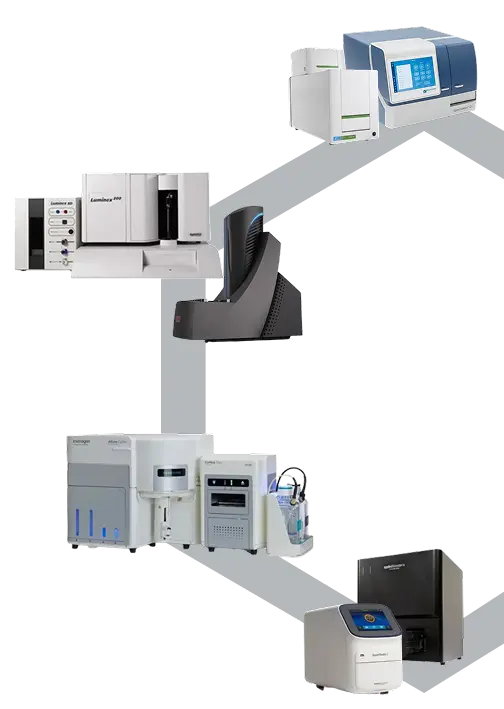
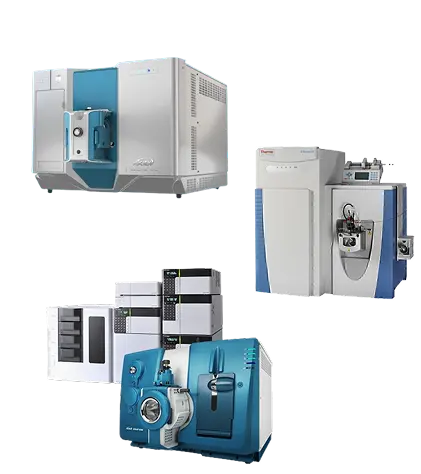
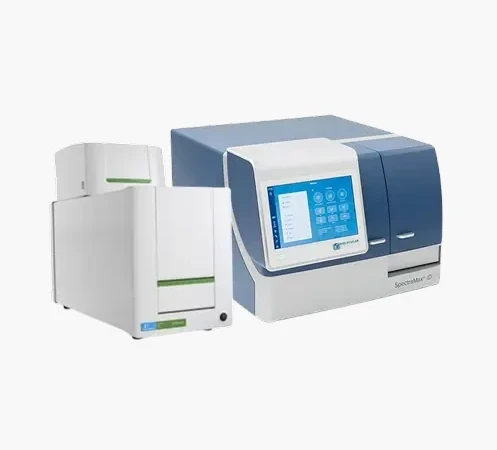
We utilize advanced bioanalytical platforms for multiplex cytokine testing, including Meso Scale Discovery, Luminex, AlphaLISA, ELISA, qPCR/ddPCR, and LC-MS/MS. These platforms ensure ultra-sensitive detection and accurate quantification of cytokines across various sample types.
Yes, we offer customized multiplex cytokine assays tailored to specific therapeutic studies. Whether you are investigating cytokine release syndrome (CRS), inflammation responses, or pharmacodynamics, our assays are developed to meet the specific needs of your study, using a range of platforms and assay formats.
GLP Cytokine Assay Validation ensures that cytokine assays are performed following Good Laboratory Practices (GLP) guidelines, using accredited equipment and high-quality reagents. This guarantees reproducibility, accuracy, and regulatory compliance, ensuring reliable data for clinical trials and therapeutic development.
Cytokine quantification is crucial for assessing immune responses, evaluating therapeutic efficacy, and understanding disease mechanisms. By accurately measuring cytokine levels, researchers and clinicians can monitor disease progression, treatment effectiveness, and potential adverse effects in clinical trials.