








VP, Bioanalytical Development
Services
Platforms
Solutions
About Us
 About Us
 Overview
 Leadership
 Facility & Equipment
 Quality & Compliance
 Therapeutic Areas
 Why Us?
 Values
 Process
 Partners
 Careers
Sr. Scientist – Cell Based Assay
Associate Scientist, Central Laboratory Services
Business Development Associate
Sr. Scientist, LC-MS/MS Bioanalysis – Hamden, CT, USA
Sr. Scientist, ELISA Immunoassay Bioanalysis – Hamden, CT, USA
GLP Quality Assurance Manager
Sr. Scientist - Pharmacokinetics (PK)
Content Manager, Scientific and Regulatory Writing
Resources
Interferon Beta
- Interferon-beta/ IFN B is a cytokine that regulated immune function
- IFN B has anticancer, antibacterial, and antiviral properties responsible for innate immune responses.
- IFN B is a biomarker of immune and oncological disorders
- IFN B can be assayed using immune assays ELISA, MSD or Luminex
Regulated And Inspected By:




Provide Your Bioanalysis Study Details
We Will Respond Within 1 Business Day
Click below for answers to your IFN B Biomarker Study questions -
What is IFN B?
An Introduction to Interferon Beta (IFN B)
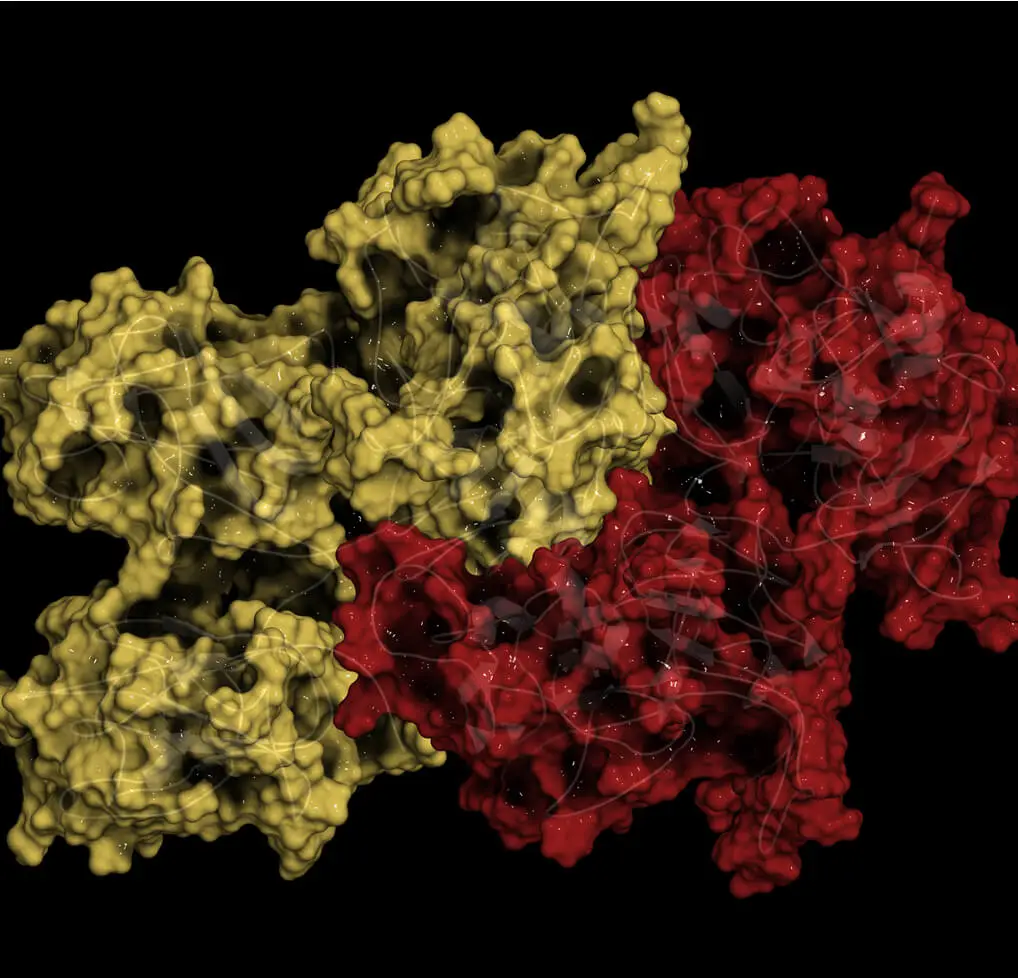
Interferon Beta or IFN B or IFN β is a human cytokine encoded by the IFNB1 gene. IFN B belongs to the Interferon type I family that regulates the immune system in humans. They are present in all mammals. IFN B has anticancer, antibacterial, and antiviral properties responsible for innate immune responses. In response to antiviral activity, fibroblasts which are the most common cell types of connective tissues, produce large quantities of IFN B proteins. There are two subtypes of IFN B proteins: IFNB1 and IFNB3. IFN B binds to the IFN-α/β receptor, a cell surface receptor complex comprising two chains, IFNAR1 and IFNAR2.
The MIF protein is an inflammatory cytokine. Upon bacterial invasion, WBC’s release MIF into circulation. These MIF proteins bind to the CD74 receptors on other cells of the immune system and orchestrate an acute immune response. Besides, glucocorticoids stimulate WBCs to secrete MIF protein that partially counteracts glucocorticoids’ inhibitory effects on the immune system. Thus, MIF suppresses the anti-inflammatory effects and aids macrophage functions in the host defense mechanism.
When you search for “What is Interferon Beta?” you will find its trade names or aliases – Interferon Beta-1alpha, Avonex, Rebif, Betaferon, and Plegridy.
Sponsors Love Our Bioanalytical Laboratory Services For Top Quality And Industry Leading Turnaround
Connect With Us For A Reference Call With Them!

NorthEast BioLab is a responsive, collaborative, and reliable partner

We trust NorthEast BioLab to design and execute streamlined, impactful bioanalytical projects

We found their integrity as refreshing as readiness to provide creative scientific input and high-quality data

We have worked with NorthEast BioLab for over ten years given their commitment to highest quality bioanalytical data.

NorthEast BioLab tremendously supported us in reproducing our critical lab discoveries for drug metabolism

NorthEast BioLab always exceeds expectations on bioanalytical assay development, validation, and sample analysis.

“NorthEast BioLab goes the extra mile. We look forward to more meaningful collaborations.”

NorthEast BioLab offers a science-based, hands-on approach to the latest bioanalytical platforms

We are thrilled to complete our bioanalytical studies with their top quality and incredibly responsive team.

We worked closely to implement the most efficient and cost-effective bioanalytical assay for our PK Studies.

Our projects with NorthEast BioLab include successful method development, validation, stability studies during Clinical Phase I – IV studies.

NorthEast BioLab provides critical insight, and are compliant with regulatory standards and industry best practices. We highly recommend them and look forward to working together again.

Our latest successful study was a pivotal bioequivalence study, where samples from a cross-over study with about 100 volunteers needed swift analysis.

This study, same as all other bioanalytical studies, was completed with top quality and reporting standard with incredible responsiveness.

NorthEast BioLab’s scientists deliver high-quality data on time and within budget
Tackle Your IFN B Biomarker Assay Testing With Our Veteran Team Now!
How do we perform IFN B lab test?
Protocols we follow to perform IFN B tests
We, at NorthEast BioLabs, perform human IFN B assays to suit your desired testing parameters via Luminex, MSD, and ELISA. In this in-vitro quantitative detection assays, we detect human plasma or serum or cell culture organizations and supernatant in both natural and recombinant IFN β concentrations. Following is an ELISA protocol that uses the Double Antibody Sandwich Technique.
We use a pre-coated human IFN B antibody and biotin-labeled polyclonal antibody for detection. We introduce both biotin-labeled antibodies and samples into ELISA plate wells precoated with antibodies against IFN B and then wash them with TBS or PBS. Then we add Streptavidin-peroxidase which binds to the biotinylated antibodies. Plates are washed with TBS or PBS thoroughly. We then use TMB substrate which peroxidase catalyses conversion of TMB to blue. Followed by which the reaction is stopped by adding sulphuric acid which converts the blue into yellow under acidic action. We then correlate the color depth with amount of IFN B present in the samples.
This Quantitative Sandwich assay has a detection range of 1000 pg/ml to 15.6 pg/ml with a sensitivity of up to 5 pg/ml. The assay has an intra-assay precision of < = 8% and inter-assay precision of < = 12%.
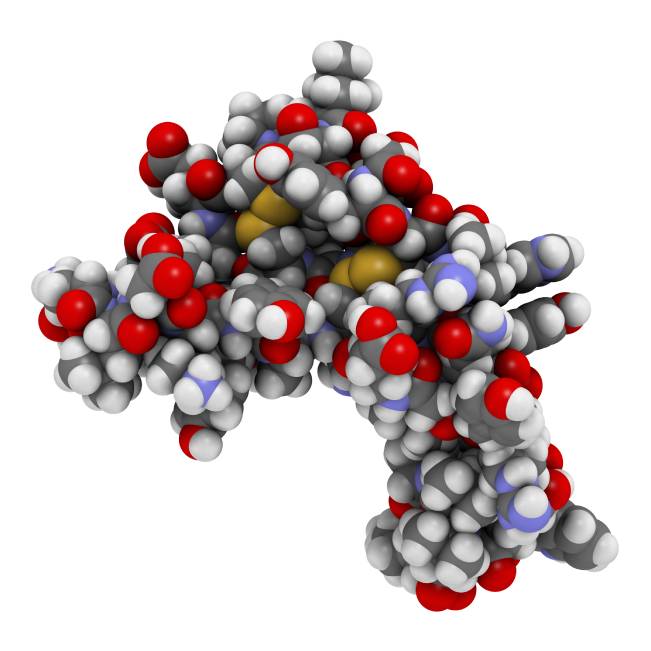
Registered And Inspected By Various Regulatory Agencies






Don’t Wait, Start Your IFN B Biomarker Assay Testing Today!
Where could I learn more about IFN B Assay?
Popular IFN B resources for you to explore
Interferon beta-1a (trade names: Rebif and Avonex) and Interferon beta 1b (trade names: Betaferon/Betaseron) are cytokines in the Interferon family that are used to control and treat multiple sclerosis. Mammalian cells produce interferon beta-1a, whereas modified E. coli produces Interferon beta-1b. These drugs may reduce attacks in relapsing-remitting multiple sclerosis and slow the disease activity and progression in secondary progressive multiple sclerosis.
Explore the resources below, to know more about IFN B, human IFN B ELISA, IFNΒ gene and its biological role.
https://www.medicinenet.com/interferon/article.htm
https://www.webmd.com/drugs/2/drug-37/interferon-alfa-2b-injection/details
https://www.sciencedirect.com/topics/neuroscience/interferon
https://www.nature.com/articles/nrd2422
https://www.britannica.com/science/interferon
Multiplex Cytokine Analysis, MSD Cytokine Assay
Understand Multiplex Cytokine Analysis, Meso Scale Discovery (MSD) Cytokine Assay For Inflammation, Chemokines, Interleukins, Growth Factor …

What are IFN B Functions and Effects?
Understanding the functions and effects of IFN B
In response to a viral infection, IFN B stimulates both NK cells and macrophages. The Interferon function involve the IRF3/IRF7 pathways, which also have antitumor activity. Interferons interact with the IFN-α/β receptors and activate signal transducers and activators of transcription complexes (STAT complexes) that regulate the gene expression of the immune system. Type I IFNs typically play a critical role in inducing gene expression via the IFN-γ activation site (GAS) or IFN-stimulated regulatory element (ISRE).
In response to an antigen intrusion, plasmacytoid dendritic cells, more commonly known as natural IFN producing cells are the most potent type I IFN producers. IFN Beta 1a studies in mice have shown to inhibit immune cell production. The inhibition of growth factors decreases tumor growth and blocks the production of vessel-producing growth factors, eventually hindering tumor angiogenesis.
Trust Our IFN B Biomarker Assay Testing.
Explore More Biomarkers
-
Brain-Derived Neurotrophic Factor
-
 Granulate Colony Stimulation Factor
-
 Epidermal growth factor
-
 Fas Ligand
-
 Granulocyte Macrophage Colony Stimulating Factor
-
 Leukemia Inhibitory Factor
-
 Luteinizing hormone
-
 Macrophage Migration Inhibitory Factor
-
 Interferon Beta
-
 Interferon Gamma
-
 Transforming Growth Factor Beta 1
-
 B Type Natriuretic Peptide
-
 Glial Fibrillary Acidic Protein
-
 Cystatin C
-
 Hepatocyte Growth Factor
-
 Interferon Alpha 2
-
 Tumor Necrosis Factor Alpha