






VP, Bioanalytical Development
Services
Platforms
Solutions
About Us
 About Us
 Overview
 Leadership
 Facility & Equipment
 Quality & Compliance
 Therapeutic Areas
 Why Us?
 Values
 Process
 Partners
 Careers
Sr. Scientist – Cell Based Assay
Associate Scientist, Central Laboratory Services
Business Development Associate
Sr. Scientist, LC-MS/MS Bioanalysis – Hamden, CT, USA
Sr. Scientist, ELISA Immunoassay Bioanalysis – Hamden, CT, USA
GLP Quality Assurance Manager
Sr. Scientist - Pharmacokinetics (PK)
Content Manager, Scientific and Regulatory Writing
Resources
Brain-Derived Neurotrophic Factor
- Brain-Derived Neurotrophic Factor (BDNF) is a member of neurotropin-family of proteins
- BDNF promotes survival, growth and differentiation of neurons and synapses in central and peripheral nervous system
- BDNF serves as a biomarker of neurological conditions like schizophrenia and depression
- BDNF can be assayed using ELISA, MSD or Luminex
Regulated And Inspected By:




Provide Your Bioanalysis Study Details
We Will Respond Within 1 Business Day
Click below for answers to your BDNF Biomarker Study questions -
What is BDNF?
An Introduction to Brain-Derived Neurotrophic Factor (BDNF)
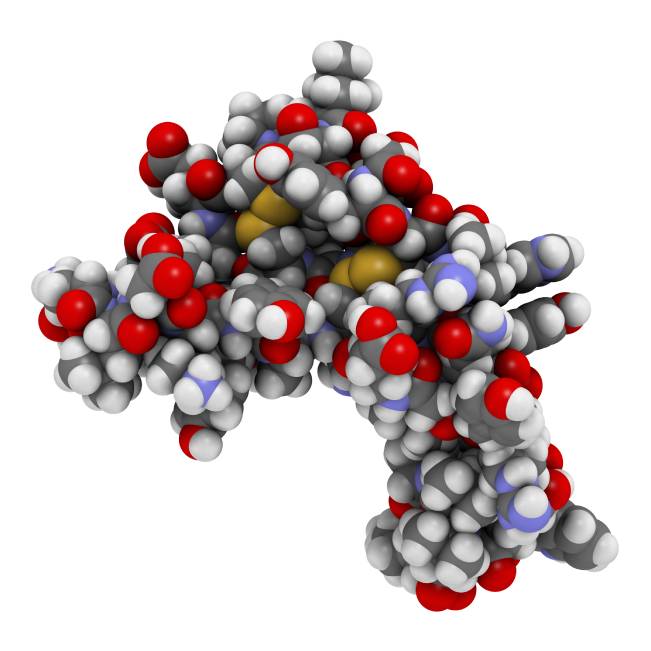
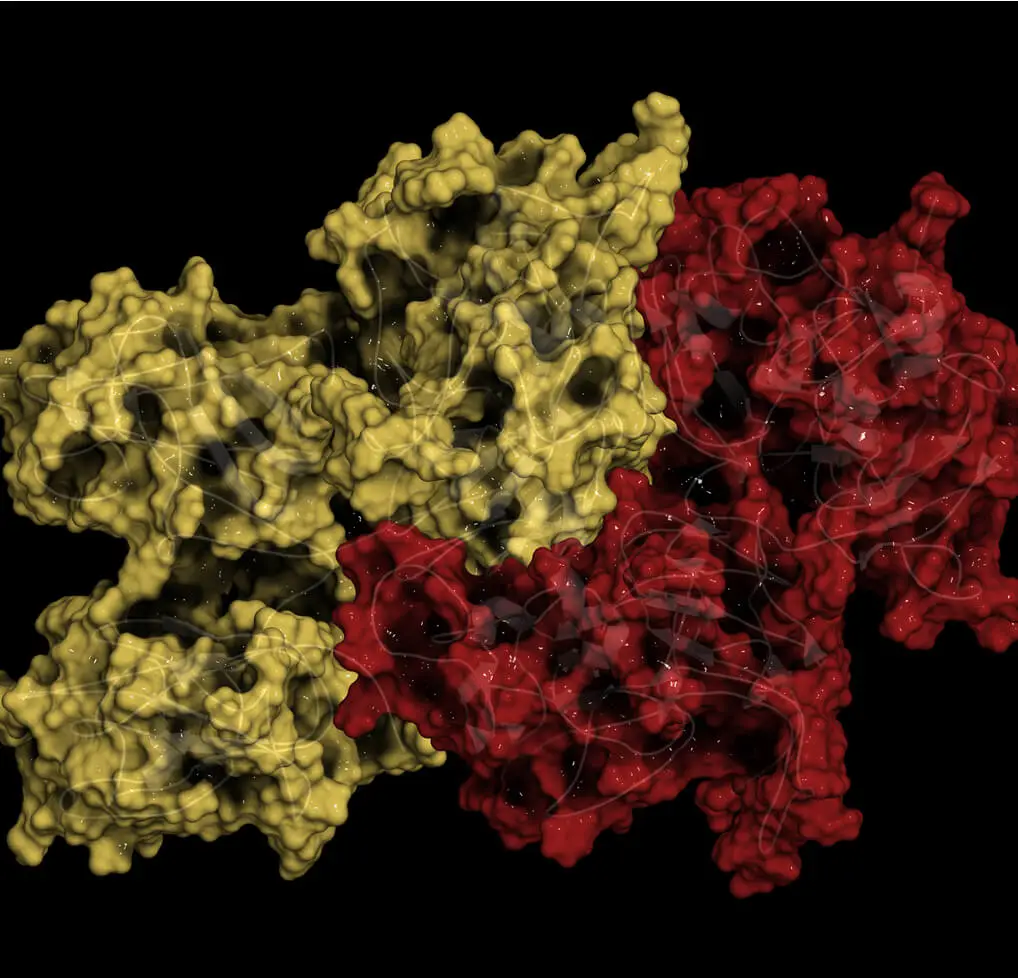
Brain-Derived Neurotrophic Factor (BDNF) is a protein encoded by the BDNF gene in humans. It supports the survival of neurons in the central and peripheral nervous systems. BDNF functions as a neurotransmitter modulator and engages in neuronal plasticity. BDNF protein encourages the growth and maturation (differentiation) of new neurons and synapses. BDNF biomarker has been detected in the hippocampus, cortex, and basal forebrain, areas of brain responsible for learning, memory, and higher thinking. BDNF protein is also detectable in the kidneys, retina, motor neurons, saliva, and skeletal muscle . When searching for ‘What is BDNF’, you can also search for its aliases – Abreneurin, ANON2, and BULN2.
Sponsors Love Our Bioanalytical Laboratory Services For Top Quality And Industry Leading Turnaround
Connect With Us For A Reference Call With Them!

NorthEast BioLab is a responsive, collaborative, and reliable partner

We trust NorthEast BioLab to design and execute streamlined, impactful bioanalytical projects

We found their integrity as refreshing as readiness to provide creative scientific input and high-quality data

We have worked with NorthEast BioLab for over ten years given their commitment to highest quality bioanalytical data.

NorthEast BioLab tremendously supported us in reproducing our critical lab discoveries for drug metabolism

NorthEast BioLab always exceeds expectations on bioanalytical assay development, validation, and sample analysis.

“NorthEast BioLab goes the extra mile. We look forward to more meaningful collaborations.”

NorthEast BioLab offers a science-based, hands-on approach to the latest bioanalytical platforms

We are thrilled to complete our bioanalytical studies with their top quality and incredibly responsive team.

We worked closely to implement the most efficient and cost-effective bioanalytical assay for our PK Studies.

Our projects with NorthEast BioLab include successful method development, validation, stability studies during Clinical Phase I – IV studies.

NorthEast BioLab provides critical insight, and are compliant with regulatory standards and industry best practices. We highly recommend them and look forward to working together again.

Our latest successful study was a pivotal bioequivalence study, where samples from a cross-over study with about 100 volunteers needed swift analysis.

This study, same as all other bioanalytical studies, was completed with top quality and reporting standard with incredible responsiveness.

NorthEast BioLab’s scientists deliver high-quality data on time and within budget
Tackle Your BDNF Biomarker Assay Testing With Our Veteran Team Now!
How do we perform BDNF lab test?
Protocols we follow to perform BDNF tests
BDNF level considered normal in humans and other species is an area of active biological research. At NorthEast BioLab, we tailor BDNF testing to suit your desired assay parameters through BDNF MSD, Luminex, and ELISA. Typically, these BDNF assays employ the fundamentals of the quantitative sandwich enzyme immunoassay technique explained below.
First, we pre-coat the antibody specific to capture BDNF biomarker onto a microplate and follow up by a plate wash to remove any unbound substances. Next, calibration standards, quality controls, and biological samples get pipetted into the plate wells, and the immobilized capture antibody binds any BDNF present. Then, we wash off any unbound material following proper shaking and incubation as per method protocol. Later, a biotin-conjugated antibody specific for BDNF detection gets added to the wells· After washing, we add avidin conjugated Horseradish Peroxidase (HRP) to the plate wells and rinse again to remove any unbound avidin-enzyme reagent. Eventually, we add a substrate solution to the plate wells, and color develops in proportion to the amount of BDNF bound in the initial step. The final step in BDNF ELISA requires us to halt the color development and quantitate the color intensity with a suitable plate reader.
Over the years, NorthEast Biolab has acquired the experience to reproduce high-quality BDNF assays. Our scientists and researchers can perform BDNF assay to measure the analyte in multiple formats. We have extensive expertise on BDNF assay specifics, such as matrix type, tissue lysis, volume requirements, sample dilution, and multiplexing possibilities. Our scientists rely only on preapproved vendors and recommended kits, antibodies, diluents, buffers, substrates, reagents, calibrators, control matrices, etc. for running BDNF Luminex and MSD Assay. We follow the industry best practices to ensure accuracy and test your biomarkers through high-affinity materials. Our focus on efficiency and operational excellence helps us deliver high-quality BDNF testing services to all our sponsors.
Registered And Inspected By Various Regulatory Agencies






Don’t Wait, Start Your BDNF Biomarker Assay Testing Today!
Where could I learn more about BDNF Assay?
Popular BDNF resources for you to explore
Numerous publications have associated BDNF biomarker levels with conditions affecting various brain functions. Some of these include depression, schizophrenia, obsessive-compulsive disorder, Alzheimer’s disease, Huntington’s disease, Rett syndrome, dementia, and anorexia nervosa and bulimia nervosa neurodegeneration. Increasingly, literature illustrates the considerable interest in the presence of brain-derived neurotrophic factor (BDNF) in human blood.
Here are some resources for you to read further on the BDNF protein:
https://www.ncbi.nlm.nih.gov/pmc/articles/PMC2504526/
https://ghr.nlm.nih.gov/gene/BDNF
https://elifesciences.org/articles/15092/
https://www.sciencedirect.com/topics/medicine-and-dentistry/brain-derived-neurotrophic-factor/
Multiplex Cytokine Analysis, MSD Cytokine Assay
Understand Multiplex Cytokine Analysis, Meso Scale Discovery (MSD) Cytokine Assay For Inflammation, Chemokines, Interleukins, Growth Factor …

What are BDNF Functions and Effects?
Understanding the functions and effects of BDNF
Brain-Derived Neurotrophic factor is vital for long-term memory. The brain retains the capability of neurogenesis which is the capability to grow neurons from stem cells, even though most human neurons have prenatal formation. BDNF biomarker is one of the neurotropin, which are proteins that aid the stimulation of neurogenesis. Other researched BDNF functions and effects include synaptic plasticity, inflammation and immunity, growth of cardiac and endothelial cells, lipid metabolism, etc. Specific exercises, such as treadmill in mice and aerobics in humans, are considered to increase BDNF growth factors.
Trust Our BDNF Biomarker Assay Testing.
Explore More Biomarkers
-
Brain-Derived Neurotrophic Factor
-
 Granulate Colony Stimulation Factor
-
 Epidermal growth factor
-
 Fas Ligand
-
 Granulocyte Macrophage Colony Stimulating Factor
-
 Leukemia Inhibitory Factor
-
 Luteinizing hormone
-
 Macrophage Migration Inhibitory Factor
-
 Interferon Beta
-
 Interferon Gamma
-
 Transforming Growth Factor Beta 1
-
 B Type Natriuretic Peptide
-
 Glial Fibrillary Acidic Protein
-
 Cystatin C
-
 Hepatocyte Growth Factor
-
 Interferon Alpha 2
-
 Tumor Necrosis Factor Alpha