








VP, Bioanalytical Development
Services
Platforms
Solutions
About Us
 About Us
 Overview
 Leadership
 Facility & Equipment
 Quality & Compliance
 Therapeutic Areas
 Why Us?
 Values
 Process
 Partners
 Careers
Sr. Scientist – Cell Based Assay
Associate Scientist, Central Laboratory Services
Business Development Associate
Sr. Scientist, LC-MS/MS Bioanalysis – Hamden, CT, USA
Sr. Scientist, ELISA Immunoassay Bioanalysis – Hamden, CT, USA
GLP Quality Assurance Manager
Sr. Scientist - Pharmacokinetics (PK)
Content Manager, Scientific and Regulatory Writing
Resources
Cystatin C
- Cystatin C is secreted by all nucleated cells
- Cystatin C inhibits cysteine proteases and lysosomal proteinases.
- Cystatin C is emerging as a biomarker of kidney function by estimating GFR
- Cystatin C can be assayed using ELISA, MSD or Luminex
Regulated And Inspected By:




Provide Your Bioanalysis Study Details
We Will Respond Within 1 Business Day
Click below for answers to your Cystatin C Biomarker Study questions -
What is Cystatin C?
An Introduction to Cystatin C
Cystatin C is an important kidney biomarker. Researchers first described Cystatin C as a gamma trace found in the urine and cerebrospinal fluid of patients with kidney failure. All nucleated human cells produce cystatin C. CST3 gene encodes cystatin C, which belongs to the gene family of type 2 cystatin. The CST3 gene is present in the cystatin locus on chromosome 9.
Cystatin C is a basic non-glycosylated protein characterized by long and short alpha-helices. Although researchers mainly use cystatin C levels and study the cystatin C glomerular filtration rate (GFR) to detect kidney disorders, recent studies also explore cystatin C’s role in predicting cardiovascular diseases and association with amyloid plaques in neurological disorders.
When you search for ‘what is cystatin c test’, you will come across other aliases for Cystatin C are cystatin 3, formerly known as post-gamma-globulin, neuroendocrine-basic polypeptide, and gamma trace.
Sponsors Love Our Bioanalytical Laboratory Services For Top Quality And Industry Leading Turnaround
Connect With Us For A Reference Call With Them!

NorthEast BioLab is a responsive, collaborative, and reliable partner

We trust NorthEast BioLab to design and execute streamlined, impactful bioanalytical projects

We found their integrity as refreshing as readiness to provide creative scientific input and high-quality data

We have worked with NorthEast BioLab for over ten years given their commitment to highest quality bioanalytical data.

NorthEast BioLab tremendously supported us in reproducing our critical lab discoveries for drug metabolism

NorthEast BioLab always exceeds expectations on bioanalytical assay development, validation, and sample analysis.

“NorthEast BioLab goes the extra mile. We look forward to more meaningful collaborations.”

NorthEast BioLab offers a science-based, hands-on approach to the latest bioanalytical platforms

We are thrilled to complete our bioanalytical studies with their top quality and incredibly responsive team.

We worked closely to implement the most efficient and cost-effective bioanalytical assay for our PK Studies.

Our projects with NorthEast BioLab include successful method development, validation, stability studies during Clinical Phase I – IV studies.

NorthEast BioLab provides critical insight, and are compliant with regulatory standards and industry best practices. We highly recommend them and look forward to working together again.

Our latest successful study was a pivotal bioequivalence study, where samples from a cross-over study with about 100 volunteers needed swift analysis.

This study, same as all other bioanalytical studies, was completed with top quality and reporting standard with incredible responsiveness.

NorthEast BioLab’s scientists deliver high-quality data on time and within budget
Tackle Your Cystatin C Biomarker Assay Testing With Our Veteran Team Now!
How do we perform cystatin C lab test?
Protocols we follow to perform Cystatin C tests
At NorthEast BioLabs, we perform MSD, ELISA, and Luminex assays for testing cystatin C in biological and chemical samples. Below is a detailed Luminex assay protocol followed for a cystatin c test.
To assay for cystatin c , we begin with 200 μl of assay buffer in each well, shake it for 10 mins at RT, and decant it. Once we remove all the residues, we add 25 μl of the following components in appropriate wells: standard or control followed by assay buffer, matrix solution, diluted samples, and beads and are incubated overnight at 4 ℃. Once the beads capture an analyte, we add 50 μl of biotinylated detection antibody and incubate it for 1 hr at RT. We then incubate the wells with a 50 μl streptavidin-PE conjugate, a reporter molecule. Lastly, we add 100 μl of the sheath or drive fluid and read the plate on a Luminex platform.
The assay tests the cystatin c levels and identifies each microsphere through a fluorescent reporter signal system. The assay is sensitive (0.16 ng/ml – 0.24ng/ml) with an intra-assay precision of < 10% and inter-assay precision of < 20%. Moreover, the assay is highly accurate with 95% recovery (overnight protocol) and 105% recovery (2 hr protocol) in the serum matrix.
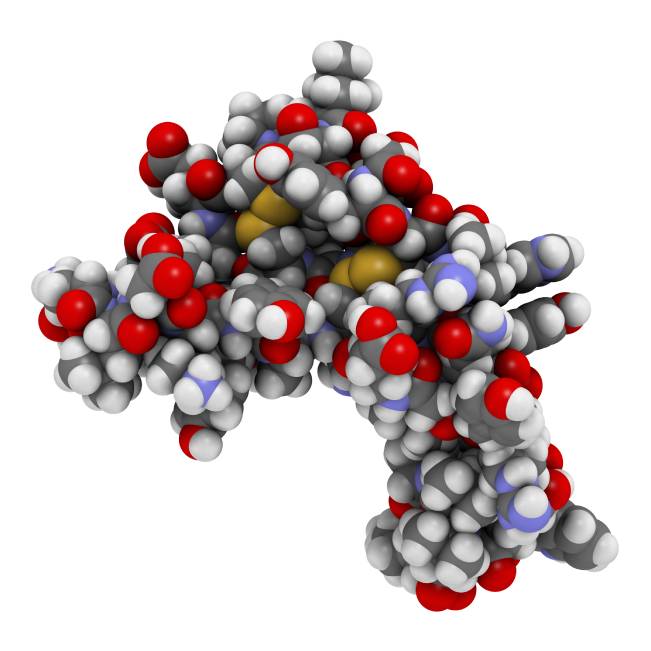
Registered And Inspected By Various Regulatory Agencies






Don’t Wait, Start Your Cystatin C Biomarker Assay Testing Today!
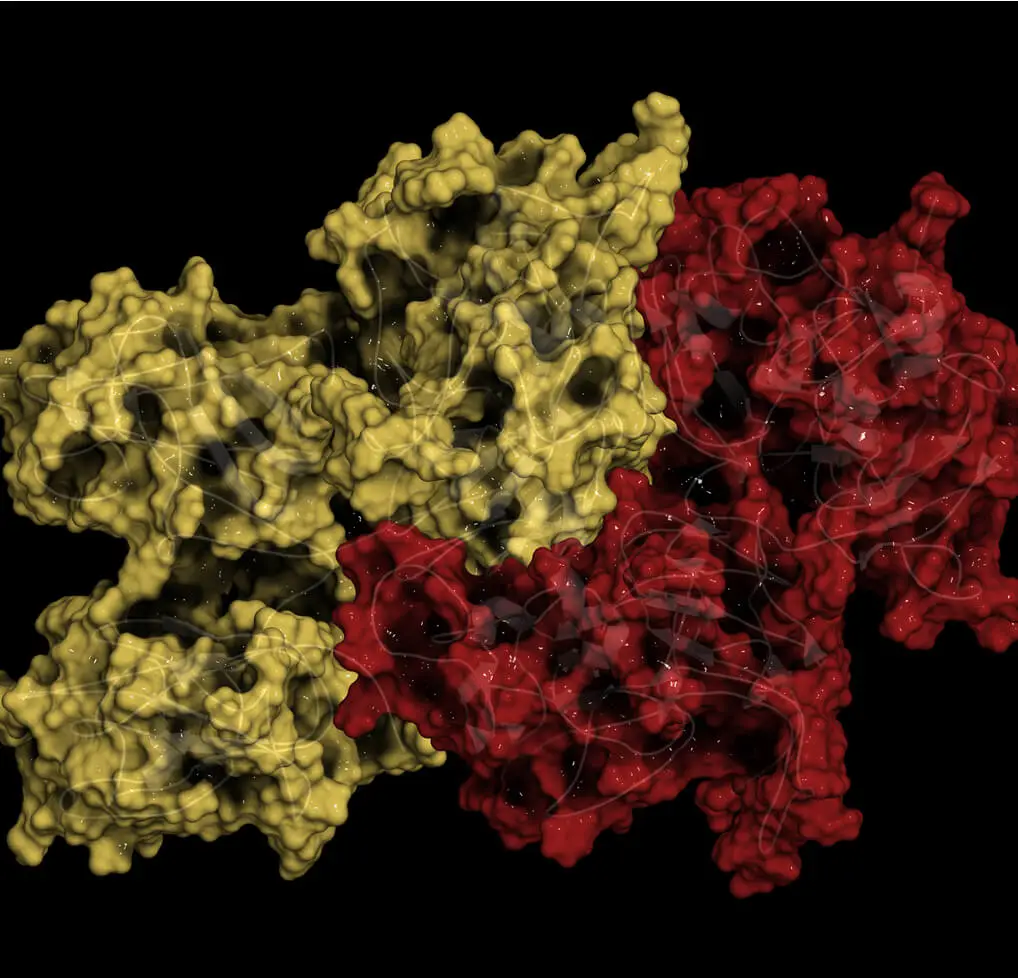
Where could I learn more about cystatin C Assay?
Popular cystatin C resources for you to explore
Research has linked kidney dysfunctions with increased mortality risk and cardiovascular diseases such as stroke, myocardial infarction, metabolic syndrome, peripheral arterial disease, and heart failure. At least 85% of plasma cystatin C clearance occurs in the kidneys. Kidneys clear plasma proteins that are ≤ 30 kilodaltons Thus, if glomerular membrane pores shrink in size, it will affect the filtration of cystatin C. Researchers have hypothesized this specific condition as “shrunken pore syndrome”.
Learn more about cystatin C tests, and functions in the following resources.
https://labtestsonline.org/tests/cystatin-c
https://acutecaretesting.org/en/articles/clarifying-the-confusion-of-gfrs-creatinine-and-cystatin-c
https://www.ncbi.nlm.nih.gov/pmc/articles/PMC3692142/
https://www.sciencedirect.com/topics/medicine-and-dentistry/cystatin-c
https://www.kidney.org/atoz/content/cystatinC
Multiplex Cytokine Analysis, MSD Cytokine Assay
Understand Multiplex Cytokine Analysis, Meso Scale Discovery (MSD) Cytokine Assay For Inflammation, Chemokines, Interleukins, Growth Factor …

What are Cystatin C Functions and Effects?
Understanding the functions and effects of Cystatin C
Cystatin C is a 120 amino acid chain protein, virtually present in all the tissues. The cystatin c function is to efficiently inhibit cysteine proteases and lysosomal proteinases, making it an important cellular inhibitory protein.
The molecular weight of cystatin C is 13.3 kilodaltons, and glomerular filtration easily excretes them from the bloodstream. Proximal renal tubules completely catabolize cystatin C, and thus it does not return into the bloodstream. If GFR and kidney functions decline, cystatin C blood level rises proportionally. Cross-sectional studies and cystatin c assays show serum cystatin C antibody levels to be more precise than serum creatinine levels for testing kidney functions. When compared to creatinine, muscle mass, gender, age, and ethnicity do not influence cystatin C levels largely. Moreover, studies suggest cystatin C might be a great candidate for signaling preclinical kidney dysfunction.
Trust Our Cystatin C Biomarker Assay Testing.
Explore More Biomarkers
-
Brain-Derived Neurotrophic Factor
-
 Granulate Colony Stimulation Factor
-
 Epidermal growth factor
-
 Fas Ligand
-
 Granulocyte Macrophage Colony Stimulating Factor
-
 Leukemia Inhibitory Factor
-
 Luteinizing hormone
-
 Macrophage Migration Inhibitory Factor
-
 Interferon Beta
-
 Interferon Gamma
-
 Transforming Growth Factor Beta 1
-
 B Type Natriuretic Peptide
-
 Glial Fibrillary Acidic Protein
-
 Cystatin C
-
 Hepatocyte Growth Factor
-
 Interferon Alpha 2
-
 Tumor Necrosis Factor Alpha