






VP, Bioanalytical Development
Services
Platforms
Solutions
About Us
 About Us
 Overview
 Leadership
 Facility & Equipment
 Quality & Compliance
 Therapeutic Areas
 Why Us?
 Values
 Process
 Partners
 Careers
Sr. Scientist – Cell Based Assay
Associate Scientist, Central Laboratory Services
Business Development Associate
Sr. Scientist, LC-MS/MS Bioanalysis – Hamden, CT, USA
Sr. Scientist, ELISA Immunoassay Bioanalysis – Hamden, CT, USA
GLP Quality Assurance Manager
Sr. Scientist - Pharmacokinetics (PK)
Content Manager, Scientific and Regulatory Writing
Resources
Granulate Colony Stimulation Factor
- Granulate Colony Stimulation Factor (G-CSF) is a glycoproteins produced by endothelial and immune cells
- G-CSF stimulates the bone marrow to produce granulocytes
- G-CSF serves as a biomarker of bacterial infections
- G-CSF can be assayed using ELISA, MSD or Luminex
Regulated And Inspected By:




Provide Your Bioanalysis Study Details
We Will Respond Within 1 Business Day
Click below for answers to your G-CSF Biomarker Study questions -
What is G-CSF?
An Introduction to Granulate Colony Stimulation Factor (G-CSF)
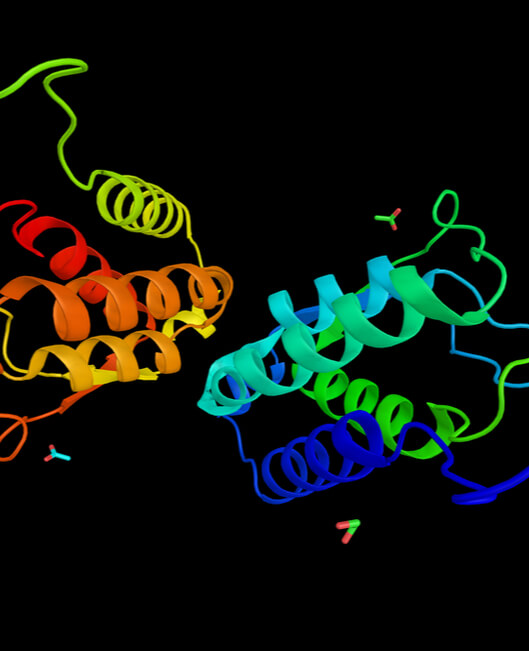
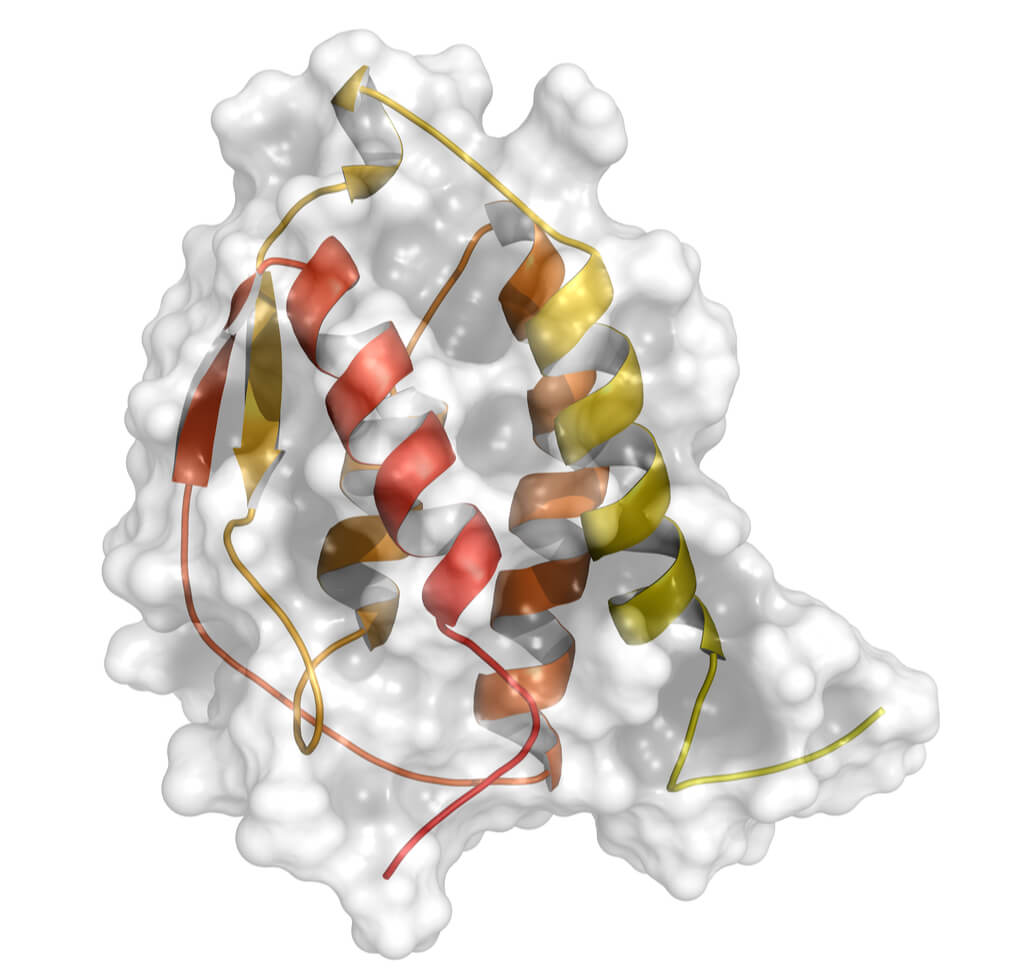
Granulate Colony Stimulation Factor (G-CSF or GSCF) or Colony Stimulating Factor 3 (CSF 3) is a glycoprotein produced by endothelium, macrophages, and a number of other immune cells. It stimulates the bone marrow to produce granulocytes and stem cells to release them into the bloodstream. G-CSF production typically indicates an endogenous presence of infection or tissue damage, stimulating the generation of G-CSF protein. Several cells can produce G-CSF, but the cognate receptor binding biomarker is principally induced by immune cells such as macrophages and endothelium. When searching for ‘what is Granulate Colony Stimulation Factor or G-CSF’, one might come across its aliases C17orf33 and CSF3OS.
Sponsors Love Our Bioanalytical Laboratory Services For Top Quality And Industry Leading Turnaround
Connect With Us For A Reference Call With Them!

NorthEast BioLab is a responsive, collaborative, and reliable partner

We trust NorthEast BioLab to design and execute streamlined, impactful bioanalytical projects

We found their integrity as refreshing as readiness to provide creative scientific input and high-quality data

We have worked with NorthEast BioLab for over ten years given their commitment to highest quality bioanalytical data.

NorthEast BioLab tremendously supported us in reproducing our critical lab discoveries for drug metabolism

NorthEast BioLab always exceeds expectations on bioanalytical assay development, validation, and sample analysis.

“NorthEast BioLab goes the extra mile. We look forward to more meaningful collaborations.”

NorthEast BioLab offers a science-based, hands-on approach to the latest bioanalytical platforms

We are thrilled to complete our bioanalytical studies with their top quality and incredibly responsive team.

We worked closely to implement the most efficient and cost-effective bioanalytical assay for our PK Studies.

Our projects with NorthEast BioLab include successful method development, validation, stability studies during Clinical Phase I – IV studies.

NorthEast BioLab provides critical insight, and are compliant with regulatory standards and industry best practices. We highly recommend them and look forward to working together again.

Our latest successful study was a pivotal bioequivalence study, where samples from a cross-over study with about 100 volunteers needed swift analysis.

This study, same as all other bioanalytical studies, was completed with top quality and reporting standard with incredible responsiveness.

NorthEast BioLab’s scientists deliver high-quality data on time and within budget
Tackle Your G-CSF Biomarker Assay Testing With Our Veteran Team Now!
How do we perform G-CSF lab test?
Protocols we follow to perform G-CSF tests
At NorthEast Biolab, we are well-versed in the G-CSF cytokine analysis for basic and translational research towards various diseases.
G-CSF MSD Assay
MSD Assays, testing the G-CSF, utilize a carbon electrode plate surface for reagent binding and rely on electrochemiluminescence for ultra-sensitive antigen quantitation. We perform all our MSD G-CSF assays for consistent and high-integrity data.
Species: Homo Sapiens (Human)
Sample Volume: ~50 µL/well
LLOD (Sensitivity): 1.6 pg/mL
Dynamic Range: 1.6-20,400 pg/mL
Sample Type: Serum, Plasma, Cell Culture Supernatant
G-CSF Luminex Assay
Luminex Assays, testing the G-CSF, use internally color-coded microspheres. Each of these distinct magnetic beads coated with capture antibody bind relevant analyte in the test sample. Afterward, streptavidin-PE conjugate incubated on a biotinylated detection antibody helps quantitate GSCF levels. Thus, we identify each Luminex microsphere and determine results based on fluorescent reporter signals. Different colored beads allow the simultaneous detection of multiple analytes (multiplexing) in the same sample. Luminex assays utilize laser excitation to determine analyte concentration.
Species: Homo Sapiens (Human)
Sample Volume: ~50 µL/well
LLOD (Sensitivity): 3.7 pg/mL
Dynamic Range: 3.7-75,000 pg/mL
Sample Type: Serum, Plasma, Cell Culture Supernatant
G-CSF ELISA Assay
For a G-CSF ELISA Assay, a double-antibody sandwich method is used to test the colony in the human body. Usually, ELISA assay has high sensitivity and excellent specificity for the detection of G-CSF function.
In summary, our veteran team of scientists –
- Assign a principal scientist to perform your GCSF assay from beginning to end.
- Minimize any unjust influence on your assay by following our standard operating procedures in controlled lab conditions.
- Regulate incubator/room temperature, air humidity, etc. as per these procedural requirements.
Registered And Inspected By Various Regulatory Agencies






Don’t Wait, Start Your G-CSF Biomarker Assay Testing Today!
Where could I learn more about G-CSF Assay?
Popular G-CSF resources for you to explore
Among other lifesaving applications, the post-chemotherapy recovery for cancer patients brings the G-CSF gene and antibody into play. The stimulation of granulocytes, a type of white blood cell, helps reduce mortality from neutropenia. Along with this, the stem cell transplantations and pre-blood donation preparations employ the G-CSF growth factor.
Here are a few popular resources on G-CSF ELISA, G-CSF structure, and G-CSF cytokine research papers URLs:
https://www.cancerresearchuk.org/about-cancer/cancer-in-general/treatment/cancer-drugs/drugs/g-csf
https://www.macmillan.org.uk/cancer-information-and-support/treatments-and-drugs/g-csf
https://my.clevelandclinic.org/health/drugs/19431-filgrastim-g-csf-injection
Multiplex Cytokine Analysis, MSD Cytokine Assay
Understand Multiplex Cytokine Analysis, Meso Scale Discovery (MSD) Cytokine Assay For Inflammation, Chemokines, Interleukins, Growth Factor …
What are G-CSF Functions and Effects?
Understanding the functions and effects of G-CSF
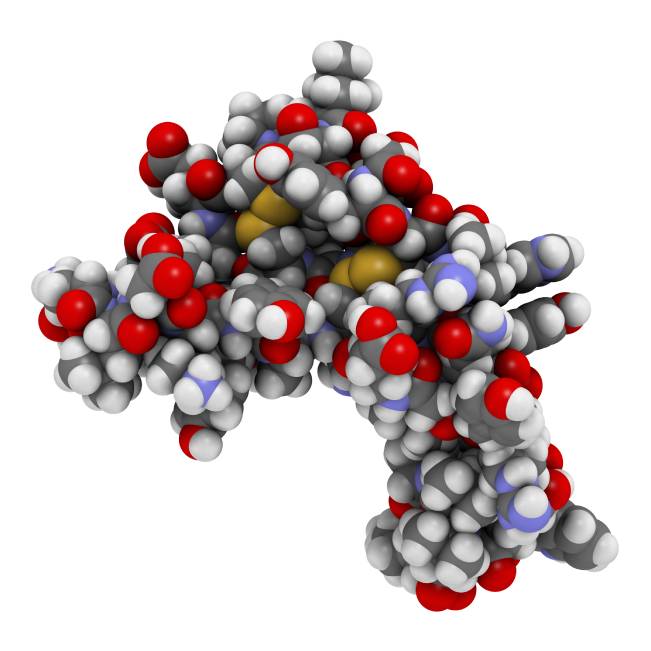
G-CSF promotes the maturation process of neutrophils through survival, proliferation, differentiation, etc. There are two natural forms of the human glycoprotein, 174 and 177- amino-acid-long protein of molecular weight 19,600 grams per mole.These are pharmaceutical analogs.
The G-CSF pharmaceutical products filgrastim and lenograstim. utilize the more active 174 amino acid form by recombinant DNA (rDNA) technology.
Trust Our G-CSF Biomarker Assay Testing.
Explore More Biomarkers
-
 Brain-Derived Neurotrophic Factor
-
 Granulate Colony Stimulation Factor
-
 Epidermal growth factor
-
 Fas Ligand
-
 Granulocyte Macrophage Colony Stimulating Factor
-
 Leukemia Inhibitory Factor
-
 Luteinizing hormone
-
 Macrophage Migration Inhibitory Factor
-
 Interferon Beta
-
 Interferon Gamma
-
 Transforming Growth Factor Beta 1
-
 B Type Natriuretic Peptide
-
 Glial Fibrillary Acidic Protein
-
 Cystatin C
-
 Hepatocyte Growth Factor
-
 Interferon Alpha 2
-
 Tumor Necrosis Factor Alpha