








VP, Bioanalytical Development
Services
Platforms
Solutions
About Us
 About Us
 Overview
 Leadership
 Facility & Equipment
 Quality & Compliance
 Therapeutic Areas
 Why Us?
 Values
 Process
 Partners
 Careers
Sr. Scientist – Cell Based Assay
Associate Scientist, Central Laboratory Services
Business Development Associate
Sr. Scientist, LC-MS/MS Bioanalysis – Hamden, CT, USA
Sr. Scientist, ELISA Immunoassay Bioanalysis – Hamden, CT, USA
GLP Quality Assurance Manager
Sr. Scientist - Pharmacokinetics (PK)
Content Manager, Scientific and Regulatory Writing
Resources
Granulocyte-macrophage colony-stimulating factor
- Granulocyte-macrophage colony-stimulating factor/GM-CSF is a cytokine produced by immune and endothelial cells
- GM-CSF is a paracrine factor that recruits circulating monocytes, lymphocytes, and neutrophils to enhance host defense mechanisms
- GM-CSF is a biomarker of rheumatoid arthritis
- GM-CSF can be assayed using immune assays: ELISA, MSD or Luminex
Regulated And Inspected By:




Provide Your Bioanalysis Study Details
We Will Respond Within 1 Business Day
Click below for answers to your GM-CSF Biomarker Study questions -
What is GM-CSF?
An Introduction to Granulocyte-macrophage colony-stimulating factor (GM-CSF)
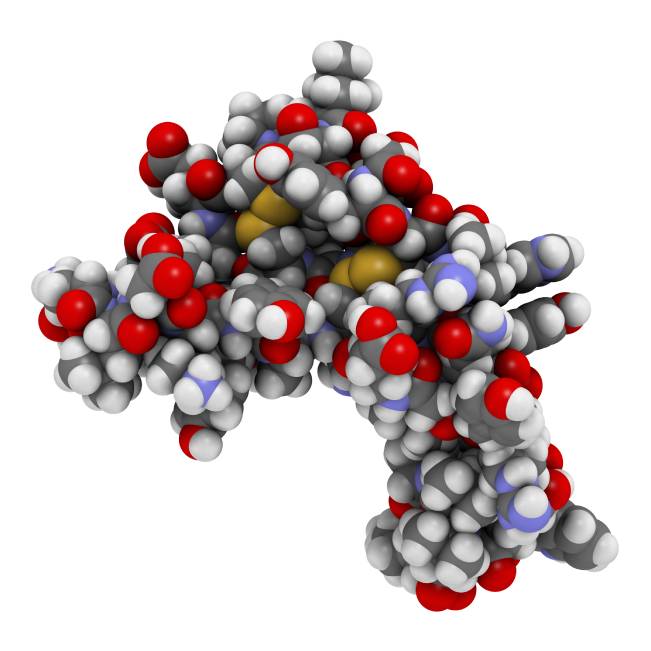
Granulocyte-macrophage colony-stimulating factor (GM-CSF) is a monomeric glycoprotein that acts as a cytokine in humans. Macrophages, mast cells, T cells, endothelial cells, fibroblasts, and natural killer cells, secrete GM-CSF. Although the release of human GM-CSF is local, it can act in a paracrine fashion to recruit circulating monocytes, lymphocytes, and neutrophils to enhance host defense mechanisms. Unlike colony-stimulating factor 3 that specializing in the proliferation and maturation of neutrophils, GM-CSF stimulates a spectrum of cell types, especially eosinophils and macrophages.
The extent to which a drug is glycosylated plays a crucial role in drug/body interactions. The human GM-CSF gene is present on chromosome region 5q31. Researchers first cloned GM-CSF in 1985, which soon gave way to three potential drugs with a varying degree of glycosylation:
- Molgramostim made in E. coli
- Sargramostim made in yeast
- Regramostim produced in ovary cells of Chinese hamsters
Sponsors Love Our Bioanalytical Laboratory Services For Top Quality And Industry Leading Turnaround
Connect With Us For A Reference Call With Them!

NorthEast BioLab is a responsive, collaborative, and reliable partner

We trust NorthEast BioLab to design and execute streamlined, impactful bioanalytical projects

We found their integrity as refreshing as readiness to provide creative scientific input and high-quality data

We have worked with NorthEast BioLab for over ten years given their commitment to highest quality bioanalytical data.

NorthEast BioLab tremendously supported us in reproducing our critical lab discoveries for drug metabolism

NorthEast BioLab always exceeds expectations on bioanalytical assay development, validation, and sample analysis.

“NorthEast BioLab goes the extra mile. We look forward to more meaningful collaborations.”

NorthEast BioLab offers a science-based, hands-on approach to the latest bioanalytical platforms

We are thrilled to complete our bioanalytical studies with their top quality and incredibly responsive team.

We worked closely to implement the most efficient and cost-effective bioanalytical assay for our PK Studies.

Our projects with NorthEast BioLab include successful method development, validation, stability studies during Clinical Phase I – IV studies.

NorthEast BioLab provides critical insight, and are compliant with regulatory standards and industry best practices. We highly recommend them and look forward to working together again.

Our latest successful study was a pivotal bioequivalence study, where samples from a cross-over study with about 100 volunteers needed swift analysis.

This study, same as all other bioanalytical studies, was completed with top quality and reporting standard with incredible responsiveness.

NorthEast BioLab’s scientists deliver high-quality data on time and within budget
Tackle Your GM-CSF Biomarker Services Lab With Our Veteran Team Now!
How do we perform GM-CSF lab test?
Protocols we follow to perform GM-CSF lab assays
We, at NorthEast BioLabs, use GM-CSF ELISA, MSD, and Luminex assay to detect granulocyte-macrophage colony-stimulating factor in your sample. We can detect GM-CSF protein in serum, plasma, and cell/tissue culture supernatant. Following is a brief Luminex protocol.
The assay to test the GM-CSF structure and its function begins with 80 μl of wash buffer in each well. We shake it for 10 mins and decant the wells. Once the residue is removed, we add standard, control or samples in the appropriate wells followed by assay buffer and beads to all wells and incubate the wells overnight at 4℃. After the bead captures an analyte from the sample, we introduce a biotinylated detection antibody in each well and incubate them for 1 hr at RT. Post incubation, 20 μl of streptavidin-phycoerythrin, a reporter molecule, and incubated for 30 mins at RT. We then wash the wells with a wash buffer, add 70 μl of drive or sheath fluid and read the plate on a suitable Luminex platform.
The GM CSF Luminex assay help to quantify fluorescent reporter signals. The assay is highly sensitive, with an inter-assay precision of < 20.8% and intra-assay precision of < 2.7%. The assay is also accurate, with an accuracy of 94% recovery in serum matrix.
Registered And Inspected By Various Regulatory Agencies






Don’t Wait, Start Your Mass Spectrometry Service Company Today!
Where could I learn more about GM-CSF Assay?
Popular resources on GM-CSF you can explore
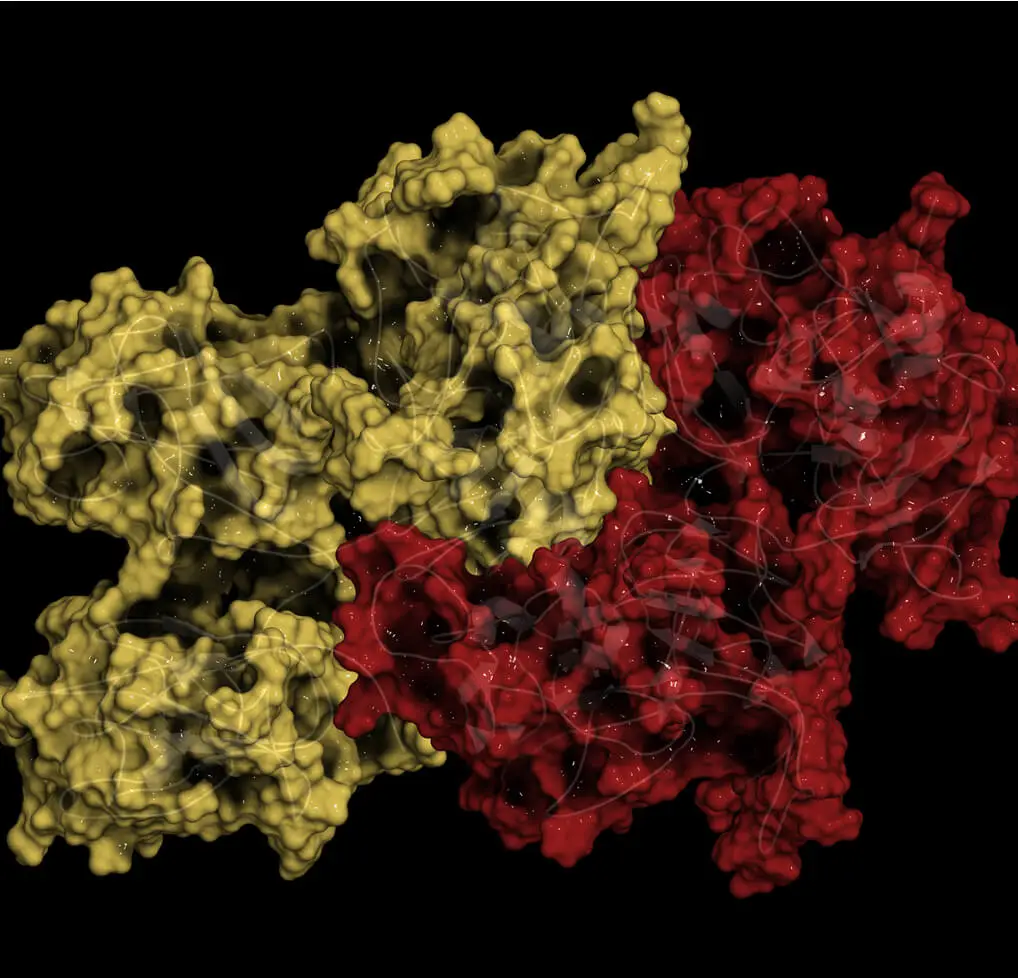
GM-CSF protein is a crucial immune modulator and hematopoietic growth factor. Studies have found high levels of GM-CSF in joints of rheumatoid arthritis patients, and blocking them seems to reduce the damage in patients. Drugs such as otilimab works on a similar mechanism of blocking and weakening the GM-CSF structure.
Early studies on Granulocyte-macrophage colony-stimulating factor as an immunosuppression therapy for critical illness shows promising results in restoring neutrophil and monocyte functions. Because of its macrophage activity and ability to mature dendritic cells, current research is centered on using granulocyte-macrophage colony-stimulating factor as an immune adjuvant. Research has shown that GM-CSF effectively treats neutropenia in AIDS and cancer patients. Research is also exploring another protein, anti-GM CSF that blocks the binding of GM-CSF to its receptor as an anti- GM-CSF test.
Explore more about GM-CSF and GM-CSF assays with the resources below.
https://www.nature.com/articles/7310017
https://www.sciencedirect.com/topics/medicine-and-dentistry/granulocyte-macrophage-colony-stimulating-factor
https://www.cancer.gov/publications/dictionaries/cancer-terms/def/granulocyte-macrophage-colony-stimulating-factor
https://pubmed.ncbi.nlm.nih.gov/16474424/
http://chemocare.com/chemotherapy/drug-info/gm-csf.aspx
Multiplex Cytokine Analysis, MSD Cytokine Assay
Understand Multiplex Cytokine Analysis, Meso Scale Discovery (MSD) Cytokine Assay For Inflammation, Chemokines, Interleukins, Growth Factor …

What are GM-CSF Functions and Effects?
Understanding the functions and effects of GM-CSF
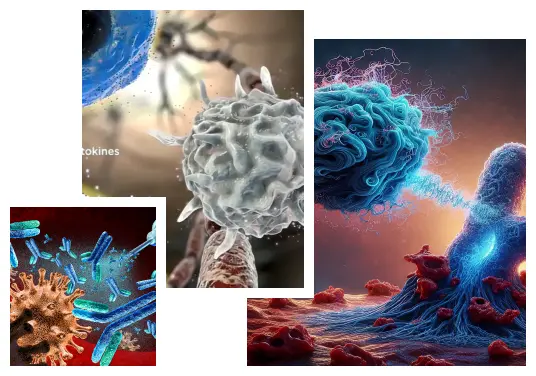
Human GM-CSF protein functions as a growth factor for WBC. In lieu, GM-CSF growth factor will stimulate stem cells to produce monocytes and granulocytes. Monocytes then exit the circulation and enter tissues, where they mature into dendritic cells and macrophages. They activate a small set of macrophages that can rapidly increase in numbers, which plays a crucial role in fighting infections. Thus, GM-CSF immunotherapy is a key member of the immune/inflammatory cascade.
Through STAT-protein, GM-CSF helps develop the immune system and defense mechanisms against infections. GM-CSF along with STAT proteins activates macrophages to impede fungal survival. They deprive the cells of free zinc and increase the reactive oxygen species production that helps culminate cell toxicity. The function of GM-CSF is to enhance neutrophil migration and acts as an embryokine to aid in embryonic development.
Trust Our GM-CSF Biomarker Assay Testing.
Explore More Biomarkers
-
Brain-Derived Neurotrophic Factor
-
 Granulate Colony Stimulation Factor
-
 Epidermal growth factor
-
 Fas Ligand
-
 Granulocyte Macrophage Colony Stimulating Factor
-
 Leukemia Inhibitory Factor
-
 Luteinizing hormone
-
 Macrophage Migration Inhibitory Factor
-
 Interferon Beta
-
 Interferon Gamma
-
 Transforming Growth Factor Beta 1
-
 B Type Natriuretic Peptide
-
 Glial Fibrillary Acidic Protein
-
 Cystatin C
-
 Hepatocyte Growth Factor
-
 Interferon Alpha 2
-
 Tumor Necrosis Factor Alpha